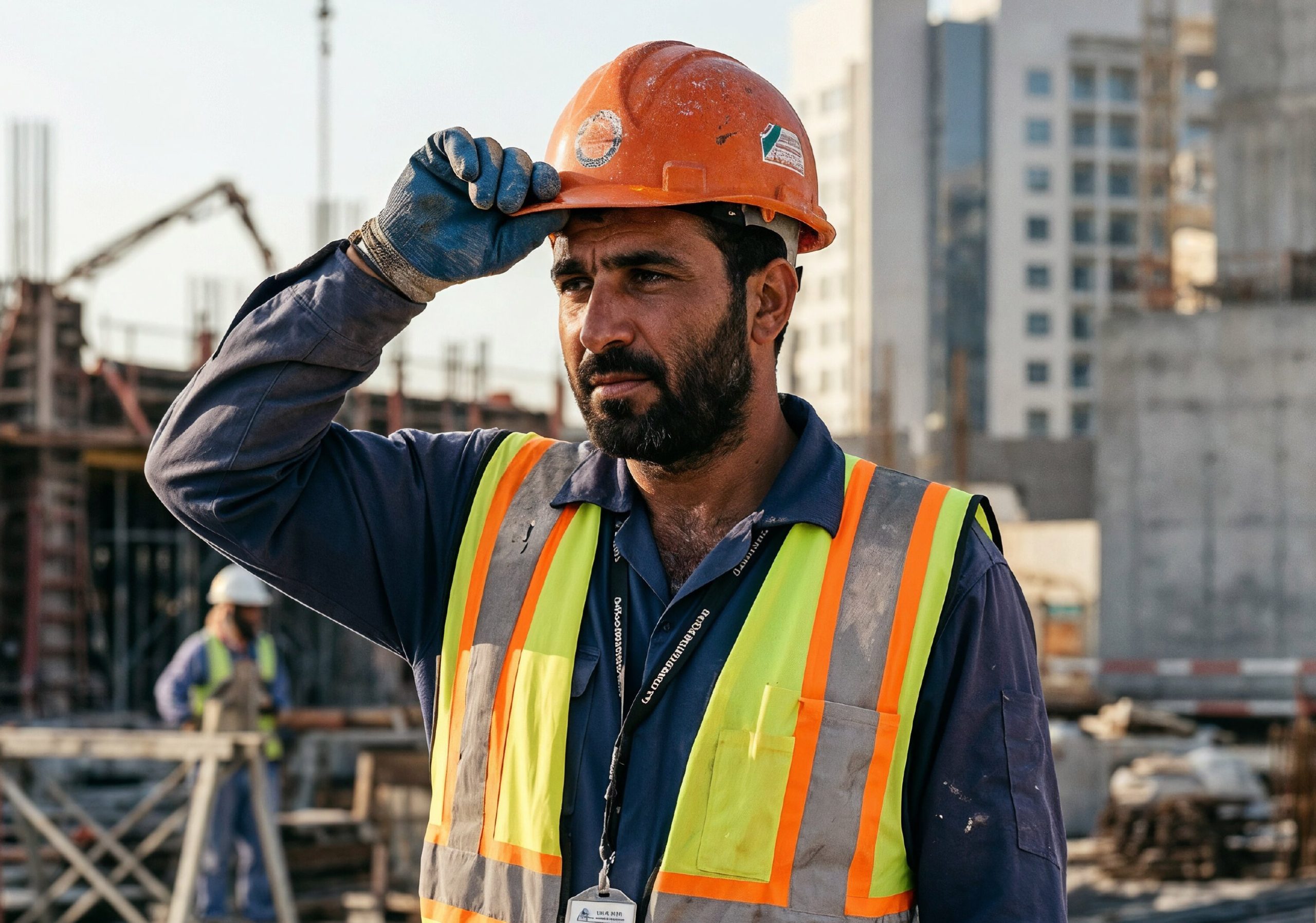
For many outdoor and industrial workers in Abu Dhabi, Ramadan brings a unique challenge: continuing physically demanding work under intense heat while observing the fast. Long hours without water, combined with sun exposure, can quickly lead to dehydration, fatigue, heat exhaustion, and serious health risks. At Lifecare Hospital, Musaffah, health experts emphasize that proper preparation before fasting — and smart recovery after breaking the fast — are essential to staying safe, productive, and healthy throughout the holy month.
Why Hydration is Critical for Outdoor Workers
Outdoor workers such as construction laborers, maintenance staff, drivers, and security personnel lose large amounts of fluid through sweat. In hot climates, the body can lose more than a liter of water per hour. Without adequate replacement during non-fasting hours, this fluid loss can lead to: Dizziness/fainting , palpitation, severe fatigue, reduced concentration for work, increased accident risk and in severe cases even loss of consciousness and convulsion due to
- Dehydration
- Heat cramps
- Heat exhaustion or heat stroke
Fasting makes hydration planning even more important because water intake is limited to the hours between Iftar and Suhoor.
Smart Hydration Strategies Before Fasting (Suhoor)
The pre-dawn meal plays a vital role in preparing the body for the day ahead.
Choose water-rich foods:
Fruits such as watermelon, oranges, and cucumbers provide fluids and essential minerals.
Drink water gradually:
Aim for 2–3 glasses of water during Suhoor, sipped slowly rather than consumed all at once.
Include electrolytes naturally:
Milk, yogurt, and lightly salted foods help maintain sodium balance and prevent cramps.
Avoid dehydrating drinks:
Limit coffee, strong tea, and sugary beverages, as they increase urine output.
Hydration Recovery After Iftar
Rehydration should begin immediately after breaking the fast — but gently.
Start with water and dates:
This traditional practice quickly restores energy and fluids.
Add soups and broths:
Warm soups help replenish fluids, salts, and nutrients without overloading the stomach.
Continue drinking fluids through the evening:
Spread water intake between Iftar and bedtime rather than drinking large amounts at once.
Consider oral rehydration solutions if needed:
Workers with heavy sweating may benefit from medically recommended electrolyte drinks.
Workplace Safety Tips While Fasting
Even with good hydration habits, workers must take precautions during the day.
1. Plan Work During Cooler Hours
Whenever possible, schedule heavy tasks early in the morning or late afternoon.
2. Seek Shade Frequently
Rest breaks in shaded or air-conditioned areas reduce heat stress.
3. Wear Protective Clothing
Light-colored, loose-fitting clothing and sun protection gear help regulate body temperature.
4. Monitor Warning Signs
Early symptoms of dehydration include extreme thirst, dark urine, headache, weakness, and dizziness. Severe symptoms such as confusion or fainting require immediate medical attention.
5. Use the Buddy System
Co-workers should watch for signs of heat stress in one another, especially during peak heat hours.
What to Avoid
- Heavy, salty, or fried foods at Suhoor
- Excessive physical exertion during peak sun hours
- Sleeping immediately after Iftar (which can disrupt hydration patterns)
- Ignoring symptoms of heat illness
When to Seek Medical Advice
Workers with chronic conditions such as diabetes, heart disease, kidney problems, or those taking medications that affect fluid balance should consult a doctor before fasting. In some cases, medical guidance may recommend modified fasting practices for safety.
FAQs
1. How much water should an outdoor worker drink between Iftar and Suhoor?
Most adults should aim for at least 2–3 liters, adjusted based on body size, workload, and sweating levels.
2. Are sports drinks helpful during Ramadan?
Electrolyte drinks can be useful for heavy laborers but should be consumed in moderation due to sugar content. Medical advice is recommended.
3. What are the early signs of heat exhaustion while fasting?
Symptoms include excessive sweating, weakness, dizziness, nausea, headache, and muscle cramps.
4. Can dehydration affect work safety?
Yes. Dehydration reduces alertness, slows reaction time, and increases the risk of workplace accidents.
5. Is it safe for everyone to fast while working outdoors?
Not always. Individuals with certain medical conditions should consult healthcare professionals before fasting.
Conclusion
Fasting while working under the sun is physically demanding but can be managed safely with proper preparation, smart hydration practices, and awareness of warning signs. By prioritizing fluid intake during non-fasting hours, choosing nourishing foods, and following workplace safety measures, outdoor workers can protect their health throughout Ramadan.
Stay Safe This Ramadan
If you work outdoors and have concerns about dehydration, fatigue, or heat-related illness during fasting, professional medical guidance can make a significant difference.
Consult with the physician in Internal Medicine at Lifecare Hospital, Musaffah for personalized advice, preventive checkups, and occupational health support tailored to your needs.