Diabetes: Symptoms, Causes & Treatment

Diabetes

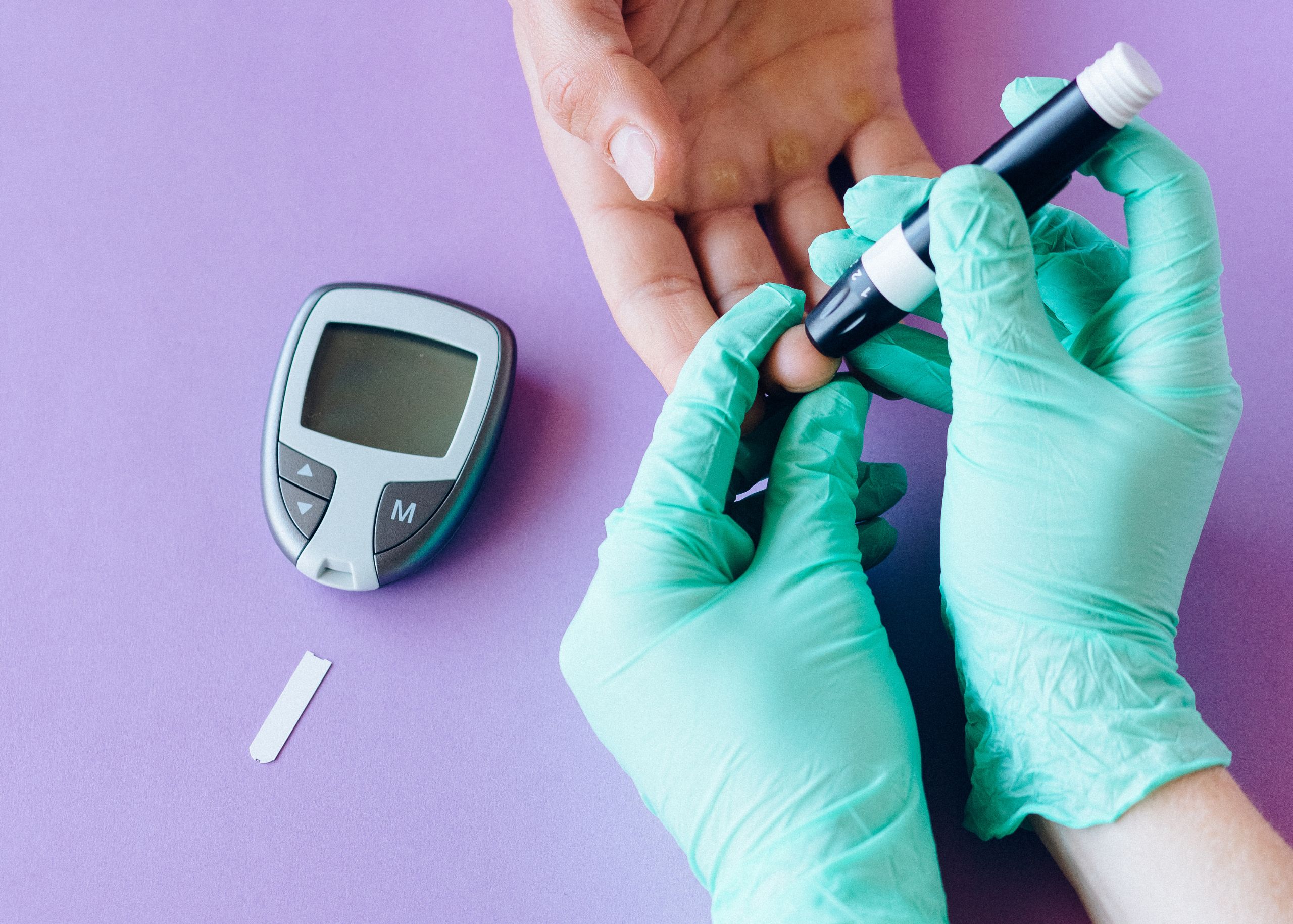
Diabetes is a long-term medical illness in which your body can’t produce enough or use insulin as effectively as it should. Too much blood sugar remains in your bloodstream when insufficient insulin or cells cease reacting to insulin. That can eventually lead to major health issues like renal disease, eyesight loss, and heart disease.

Early Symptoms of Diabetes

  • Increased thirst 
  • Dry mouth 
  • Frequent urination 
  • Increased appetite 
  • Unexplained weight loss 

Type of Diabetes 

Type 1 Diabetes 

It is believed that an autoimmune reaction causes type 1 diabetes (the body attacks itself by mistake). This reaction stops your body’s production of insulin. Type 1 diabetes affects 5–10% of those with the disease. Typically, it begins in childhood.

Type 2 Diabetes 

Your body struggles to properly utilize insulin in type 2 diabetes, making it difficult to maintain normal blood sugar levels. The majority of diabetics (90–95%) are type 2. It takes years to develop, and adults are typically diagnosed with it (but more and more in children, teens, and young adults). If you are at risk, it is crucial to have your blood sugar tested because you might not exhibit any symptoms.

Gestational Diabetes 

Women who have never had the condition before and have become pregnant can develop gestational diabetes. If you have gestational diabetes, your unborn child may be more susceptible to health issues. After your baby is born, gestational diabetes typically disappears. However, it raises your chance of developing type 2 diabetes in later life.

Prediabetes 

Blood sugar levels are higher than normal in prediabetes but not high enough to be diagnosed as type 2 diabetes. Your risk of type 2 diabetes, heart disease, and stroke increases if you have prediabetes. Early implementation of lifestyle programs helps avoid full-blown condition.

Tests 

Blood sugar can be tested in 8-hour fasting and 2 hours after food. The HbA1C test gives the average blood sugar for the last three months. Kidney function tests, urine microalbumin, and blood cholesterol levels are also necessary for diagnosing and assessing the severity of the condition. 

Consultations

  • We ask the diabetic patient to consult an Ophthalmologist yearly for a retina check-up to prevent and treat diabetes-related visual loss. 
  • A Neurologist may be involved in the care of diabetes if he develops neurological complications like weakness of the body, tingling of legs and hands, double vision, facial deviation, etc., to name a few. 
  • A kidney specialist is involved in caring for a diabetic – if he develops a severe protein leak in urine or if the kidney function test is abnormal. Diabetic kidney disease is the commonest reason for chronic kidney disease, dialysis, and kidney transplantation. 
  • The cardiologist is consulted if the patient develops chest pain at rest or during exertion. Heart attack is the most common reason for death in a diabetic. Recently noted chest pain/shortness of breath on exertion is a sign of decreased blood flow to heart blood vessels and should be considered seriously by a diabetic. 
  • A clinical dietitian is pivotal in advising on proper diet and nutrition. 
  • A dental consultation is advised as dental/gum problems are very common in chronic uncontrolled diabetes. 

Diabetes Complications

If the condition is treated poorly, it can become fatal. A few of the many complications of uncontrolled diabetes include

  • Kidney failure
  • Double vision
  • Eyesight loss
  • Facial weakness
  • Numbness and weakness in both legs
  • Lack of sexual drive
  • Heart attacks
  • Recurrent infections that can be fatal
  • Skin illnesses
  • Foot difficulties
  • Depression

Indicators to Get Immediate Medical Attention

  • Having trouble breathing
  • Unable to keep any liquids down for more than 4 hours. 
  • Losing 2.5kg or more during the illness
  • Blood sugar lower than 60 mg/dl
  • Feeling too sick to eat normally and unable to keep down food for more than 24 hours 
  • Vomiting and/or severe diarrhea for more than 6 hours
  • Temperature is over 101 degrees F for 24 hours
  • Feeling sleepy/blackout or can’t think clearly. Have someone else call your doctor or take you to the emergency room

Reducing the Risk of Diabetes

Meal Planning Recommended by CDC

  • Fill half with non-starchynon-starchy vegetables, such as salad, green beans, broccoli, cauliflower, cabbage, and carrots. 
  • Fill one quarter with a lean protein, such as chicken, beans, eggs. 
  • Fill one quarter with carb foods. Foods that are higher in carbs include grains, starchy vegetables (such as potatoes and peas), rice, pasta, beans, fruit, and yogurt. A cup of milk also counts as a carb food. 

Exercise

At least 150 min/week -moderate physical exercise will help you not only in blood sugar control but also for overall health. Ask your doctor if you are fit for exercise. Stress relief practices like yoga has tremendous benefits. 

Good Sleep

At least 6 hours will calm your anti-insulin hormones and helps you in better sugar control. 

Not to fear, not to pull back , Enjoy your life. Together we can beat diabetes!! 

Our Experts

View All
Hafeesh Fazulu Rahman
Kiran Bheemeshwar
Mohamed Raneesh Puthuparambil
Subhani Shaik
Sarath Babu
Nahla Ali
Priya Mathew
Lukman Ibrahim alias Ghudulal Mulla
Ratnakar
Divya S Nair 
Sajid Syed
Abeesh Padmanabha Pillai 
Rinal Pandit
Sankalp Rao
Sheena Balakrishnan
Monika Ankit

Chronic Kidney Disease – Symptoms, Causes & Treatment

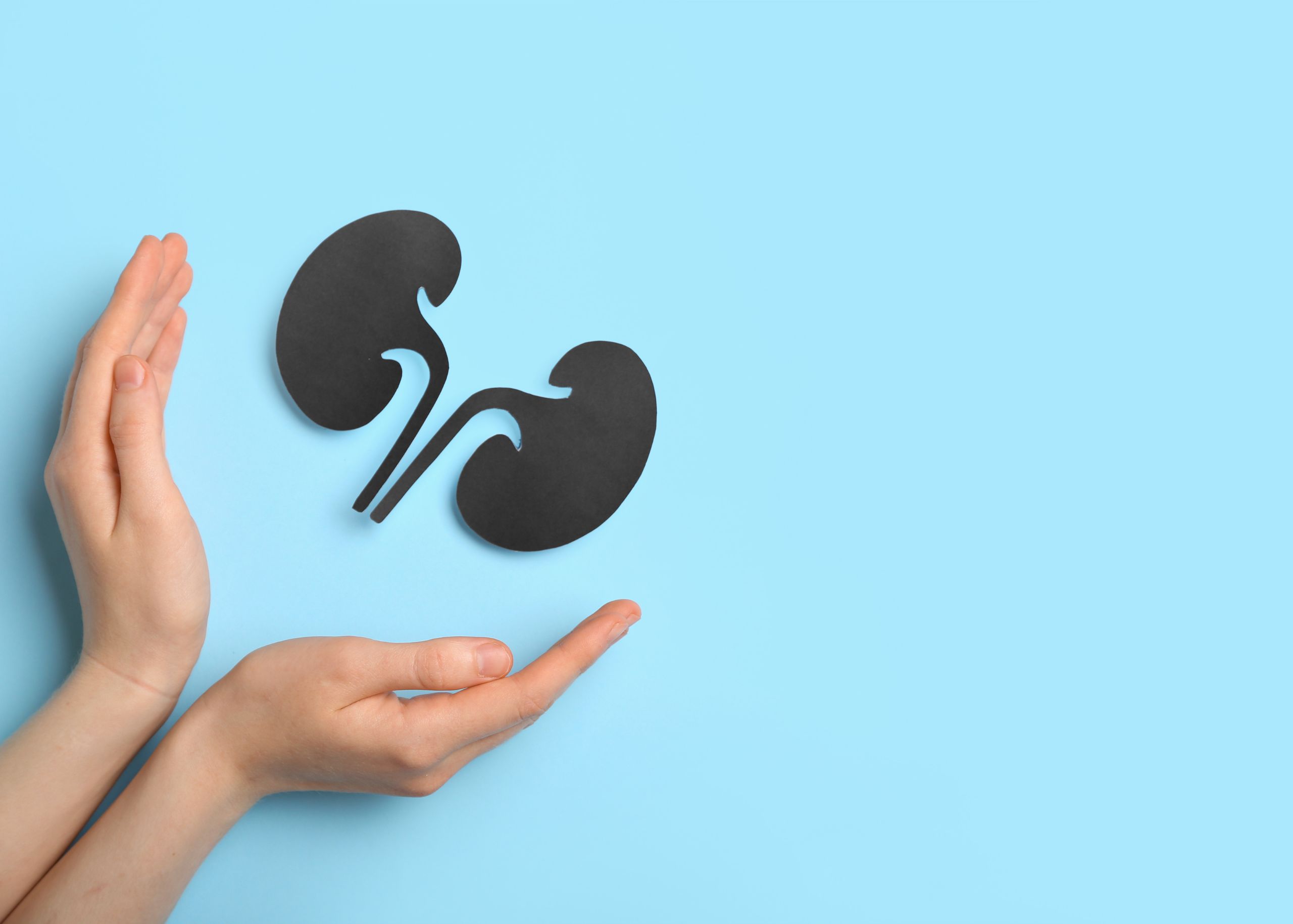
The kidneys normally filter blood and remove waste and excess salt and water from the body. In patients with chronic kidney disease (CKD), the kidneys gradually lose their ability to function properly. When these toxic wastes and excess water accumulate in the blood, they can affect other body systems also, ultimately leading to ill health. As days go by, they can stop working completely. So it is very vital to prevent them from getting worse.  

What are the Risk Factors for Chronic Kidney Disease?  

The most common causes of CKD are diabetes and high blood pressure. Other factors that can increase the risk of developing CKD include a family history of kidney disease, obesity, smoking, having protein in the urine, and having autoimmune diseases such as lupus. 

What are the Symptoms of Chronic Kidney Disease? 

In the early stages of the disease, CKD causes no symptoms. Patients may have leg swelling, high blood pressure, and tiredness as the disease worsens. In the advanced stage, they experience nausea, vomiting, loss of appetite, altered sleep, shortness of breath, confusion, altered sensorium, and ultimately slip into a coma state. 

How Do Doctors Diagnose and Evaluate Chronic Kidney Disease?  

Doctors may order various tests to diagnose CKD and assess any possible reversible cause. 

Kidney function tests — By measuring the creatinine level in the blood, doctors estimate the glomerular filtration rate (GFR). This GFR helps measure the approximate filtering abilities of both kidneys and monitor kidney function impairment during the follow-up period. When GFR is reduced, this implies either worsening of CKD or the developing a new reversible kidney problem. But on the other hand, when there is an increase in GFR, it indicates an improvement in kidney function. A stable GFR in people with CKD shows the disease is stable. 

Urine tests — Urine is tested for the presence of albumin or protein in the urine (called albuminuria or proteinuria).  The earliest sign of CKD in some people with diabetes and high blood pressure is the leak of small amounts of albumin in the urine.  

Imaging studies — Imaging tests like ultrasound and computed tomography [CT] may be ordered to assess kidney size and echo texture and determine if there is any obstruction of the urinary tract or kidney stones. 

Kidney biopsy — In this test, doctors take a small piece of kidney tissue and examine it under a microscope. Biopsy test helps diagnose the underlying cause of kidney disease, enabling health professionals to choose the appropriate treatment regimen.  

Is Anything that Can be Done to Prevent the Kidneys from Getting Worse? 

Yes, we can protect our kidneys by the following:  

  • If you have diabetes, blood sugar has to be adequately controlled
  • Maintain your blood pressure at an optimum level       
  • Follow low salt, and other dietary restricted recommended by doctors and dieticians  
  • Quit smoking if you smoke
  • Maintain ideal weight if overweight  
  • Avoid taking medicines that can affect the kidneys, like painkillers (NSAIDs.) Before starting any new medications, check with the doctor whether it is safe for the kidneys.  

What are the Treatments for Chronic Kidney Disease? 

During the early stages of CKD, doctors prescribe medicines like ACE inhibitors” or “angiotensin receptor blockers to preserve the existing function of kidneys and protect them from further damage.  

What Happens if the Kidneys Stop Working Completely? 

When the kidneys stop working completely, the patient is in the last stage of CKD. There are three options available. 

Kidney transplantation. Here one kidney from another person is transplanted to the patient (We need only one functioning kidney to have a healthy life). In this way, this new kidney can do the job of his own failed kidneys. But he will need to take medicines for the rest of his life to prevent his body from rejecting his new kidney, which was originally obtained from another person. 

Hemodialysis. In this option, the patient is attached to the machine, which filters and cleans his blood. This has to be done for a few hours at least three times a week for the rest of his life.  

Peritoneal dialysis. A tube is placed in the belly of the patient through which he pipes in and out special fluid a few times every day. This technique is easy to perform but requires special training during initial periods.  

How to Choose Between the Different Treatment Options? 

The patient and his doctor need to work together to find the right treatment for him. Most of the time, the best option is kidney transplant surgery because a kidney can be replaced only by another functioning kidney. But often, there are no kidneys available for transplant. The patient needs to analyze the merits and demerits of various options openly with their doctor (nephrologist) and choose the best per his needs and possibilities. 

People may not have symptoms until their kidney function is reduced below 20%, akin to the mobile phone showing signs only when the charge level reaches below 20%. An early warning sign of kidney disease is a protein (albumin) leak in urine. 

Our Experts

View All
Abeesh Padmanabha Pillai